
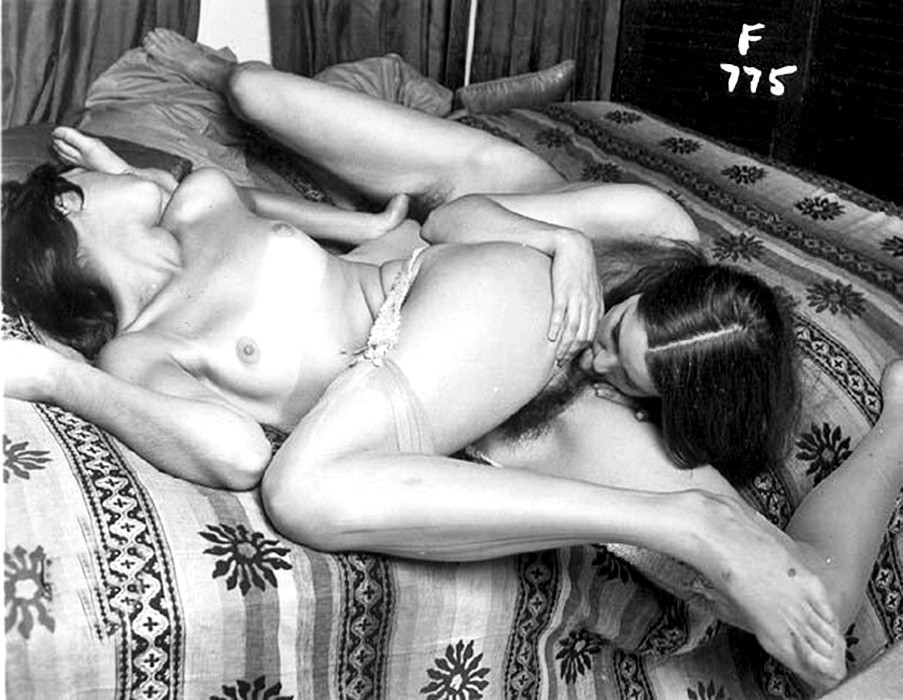
Source unknown – Title unknown (19XX)
Looking at this photo I can’t help but ponder the notion of regret.
I encounter a lot of people who believe life should be lived in such a fashion so as to remain completely absent regret.
Every time I interact with these folks, I find myself vaguely irked. I mean without regret, what motivates the urge to do better/be more/grow?
Yet, that thought is predicated by the belief that one should regret mistakes because a mistake entails a right way of doing things and a wrong way of doing things. By extension: there was the right way and a wrong way or more likely wrong ways and by not doing it the right way–one should regret doing it the wrong way.
It’s rarely that simple, though. I mean: very few people can sit down at a piano and having never taken a lesson before play a passable rendition of Eine Kleine Nachtmusik. (No, you get to being able to play it by practicing–which means playing it for a very long period of time at varying levels of awfulness before it starts to come together.)
My reaction to other folks objecting to regret always surprises me–because I’m someone who claims to live in a way that seeks to minimize regret. What I mean when I say it is something more like: given a time machine and the option to travel back in time to fix things, the things I would opt to fix would do little to shift the broader outcome for a situation/scenario.
As a concrete example: When my ex and I broke up the first time, one of her reasons was that I so rarely walked with her back to the subway when she couldn’t stay the night with me at my place.
To her this represented a lack of motivation and concern for her safety and well-being. And I don’t have my head so far up my own ass that I can’t realize that it was occasionally due to the reason set that it’s freaking cold as fuck out, it’s late and I have to get up and get ready for work in 4 hours. More often than not I didn’t go because I knew she didn’t want to leave–but that she had to–and that my going with her would make it harder for her to leave. (Interestingly, she said that’s what she wanted–me to make it harder for her to leave instead of easier.)
So if you offered me a time machine, I’d go back and walk her back to the subway twice as often as I did. Not because I believe it would’ve changed anything about our relationship just because it was a small thing that would’ve meant a lot to someone I loved.
And that’s why I think of regret when I look at this: it’s not a great image, honestly. The foreshortening of the masturbating woman saves the composition from being unforgivably flat. The light is hard and over bright–tumbling in through a skylight and hazily blowing out in a blueish aura over the scene.
You can see just the faintest hints of the hanging tapestry backdrop. It’s neither great nor is it quite awful, either.
But what I notice–like when presented with the prospect of a time machine to go back and fix things I wish I’d done differently–are the four hands. The way the one woman is holding the other’s hips, how the woman is supporting the woman’s lower back while masturbating and the way the woman in the middle has her wrist clenched and locked.
The rightness of those elements–for me, at least–overpowers the shoddy and weaker aspects of this composition.









 Acetylene Eyes