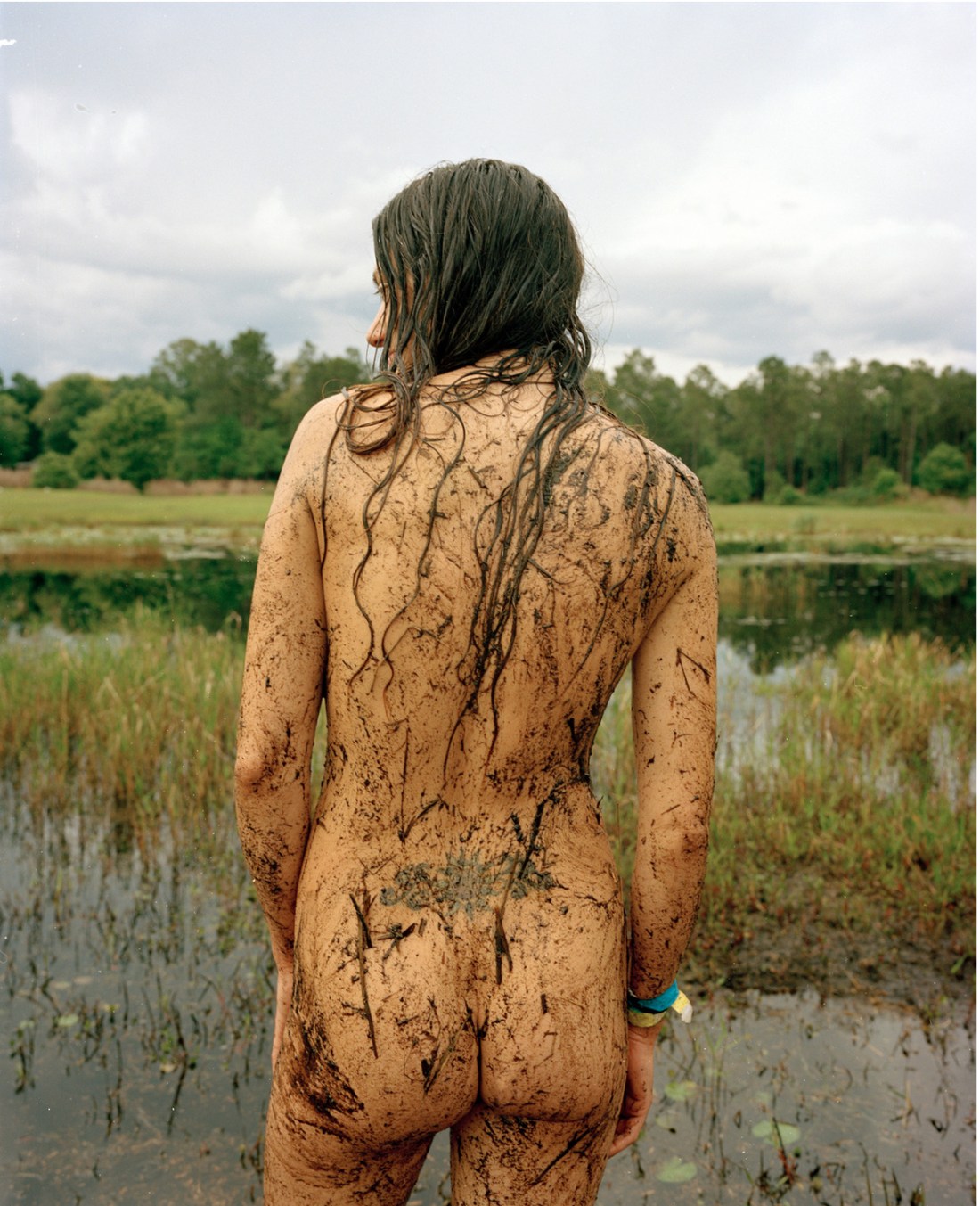
Katty Hoover – Untitled from Lake Como series (2014)
Places that hold meanings for people result in the construction of
unique ‘memory maps,’ yet many memories manifested in the landscape
leave little, if any, physical trace. A pile of water-worn cobbles on
the riverbank to mark the time and place when you first learnt to
swim–the autumn floods that year would have removed those. The tree bark
or bus shelter where we inscribed the initials of our first love–the
tree’s new growth will have erased most traces, and bus shelters are
repainted or replaced. A first pet buried in a garden, or offerings put
into the ground to commemorate a family member’s death–most are unlikely
to survive the rigours of time. […] At Malin Head in Donegal, thousands
of beach pebbles spell people’s names, signing themselves on to the
landscape through a physical act. In many cases, the names within soon
become illegible, the pebbles displaced by the feet of subsequent
visitors, or re-used for new acts of commemoration. The ways in which
people choose to mark space and commit events to memory suggests that
similar, small-scale practices in the past may also have been transient
or overwritten, with the vast majority not visible in the archaeological
record at all.–Adrian M. Chadwick & Catriona D. Gibson, from “‘Do You Remember the First Time?’ A Place through Memory, Myth, and Place,” Memory, Myth and Long-term Landscape Inhabitation, ed. Adrian M. Chadwick & Catriona D. Gibson (Oxbow Books, 2016)

 Acetylene Eyes