
Ashley MacLean & Tracy Matlock – The Emotion-Maker’s Heartbeat (2007)
If I know anything about photography, it’s a result of (not necessarily in order) either:
- the amazing Art History 101/102 professor I had during my second university attempt,
- trial by fire,
- Joel Sternfeld allowing me to force add his Advanced Photography workshop and somehow agreeing to sponsor my Masters-level photography thesis for a full year,
- Tracy Matlock and Ashley MacLean.
There’s some back story necessary if you’re to have any chance of understanding the immensity of that last entry.
See: I made some really terrible choices a little more than a decade ago. I don’t just run an artsy sex blog, I’m a bit of a nymphomaniac and well, let’s say I bet on not just the wrong horse but a horse so broken it was determined to drag me down with her.
I ended up living out of my car for close to six months in the dead of winter. Very dark times.
I’m still not exactly sure how I pulled myself out of it. I found a job and then a second one. I worked ninety hour weeks for almost two years.
One job was with a now defunct big box retailer. Short of the summer I spent cleaning houses, it was the worst job I’ve ever had. I was in charge of the music section. This happened as a result of he fact that—much to my chagrin—after seven years of working in a video store, you get used to matching brain grindingly vague descriptions up to the actual source.
We had these in store displays where you could scan a CD and it would link you to All Music’s review and sample tracks. Out of boredom I begin researching music I loved. Doing this thing I now call following the thread from the artists I loved back to the artists who they loved and inspired them.
I’d find an artist who inspired an artist I loved and then I’d skip lunch for a week and buy a new CD every week. Dear God, I found some good stuff. But the most memorable CD wasn’t one I researched it was one I stumbled upon. In truth, I’m not even sure why our store even got it but upon its release we were shipped a copy of Godspeed You! Black Emperor’s Yanqui U.X.O.
I bought it and put it in my car’s CD player on the long drive to my second job. To say it affected me would be an understatement. To say the music got me higher than any drug I’d ever taken would be an understatement. Within a week I had their entire discography. I began to research them, became fascinated with their aesthetic, they creative ethos—everyone contributes equally and democratically.
Accidentally finding that CD changed fucking everything about my life.
I stumbled upon Traci and Ashley’s work mid-way through my third and final year of my third and final attempt at university. I’d procrastinate by spending hours on Flickr’s Explore. I kept seeing their images—all of which I would favorite immediately.
Their Polaroid Spectra images became something with which I was pathologically obsessed. I’d never seen such exquisite Caravaggio-esque color and texture. And Jesus Harold and Maude fucking Christ on Christmas, the effect to which they used those colors. (Even with the threat of Spectra stock being discontinued, I dropped a small fortune I didn’t have on a Minolta Instant Pro. My images never managed to be as masterful as there’s but the ability of Polaroid Spectra stock to render skin tone in daylight is only comparable to the now also discontinued Fuji Astia stock.)
Anyway, I found Traci & Ashley’s work at a time when everything in life was trying to beat the naivete of my belief in collective art processes. I read about how Traci and Ashley worked—one took photos of the other, but the subject always got first edit (control over the content and context) and then the photographer was left to choose from the initial culling what would finally be exhibited.
This is something that has come to figure heavily in my own approach to collaboration.
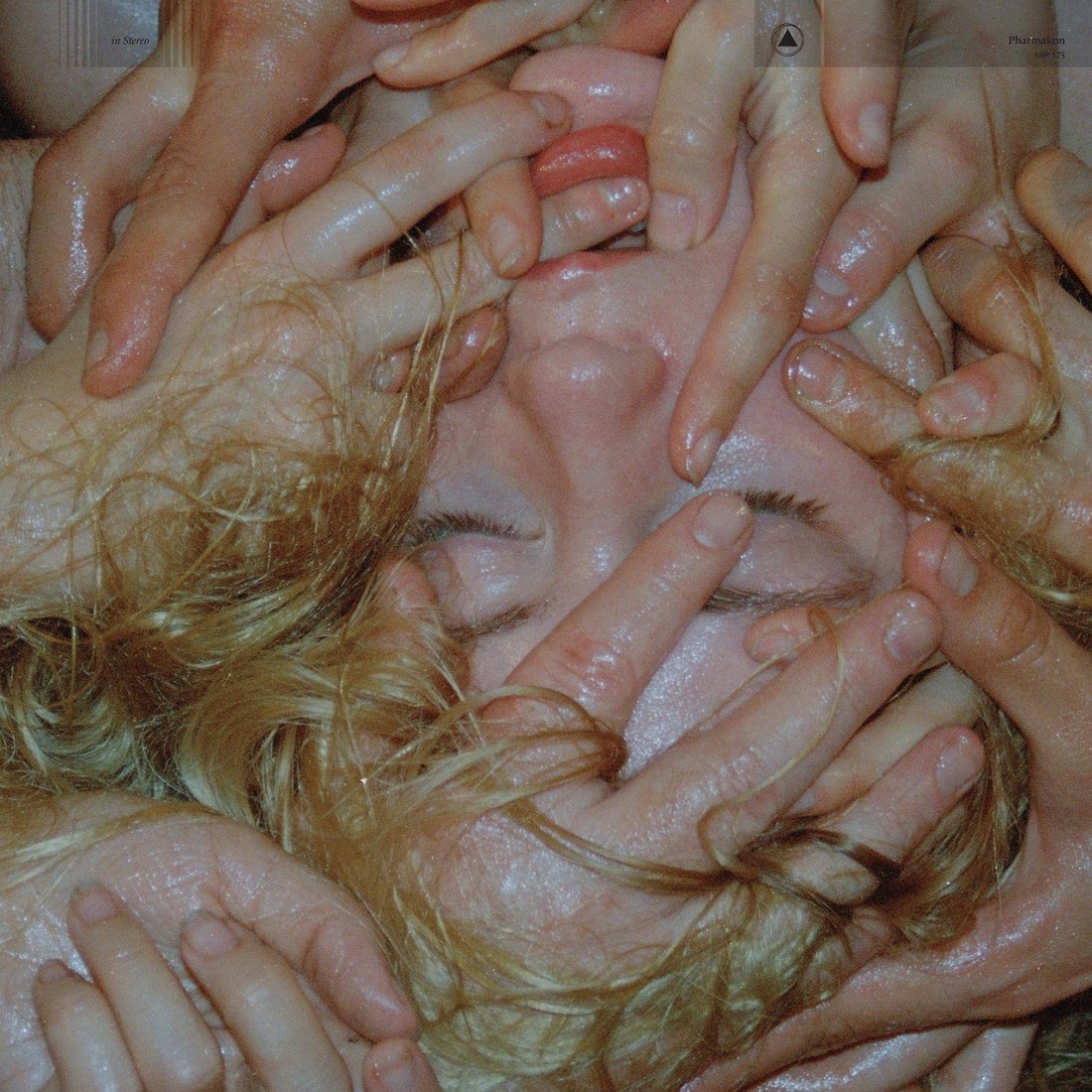
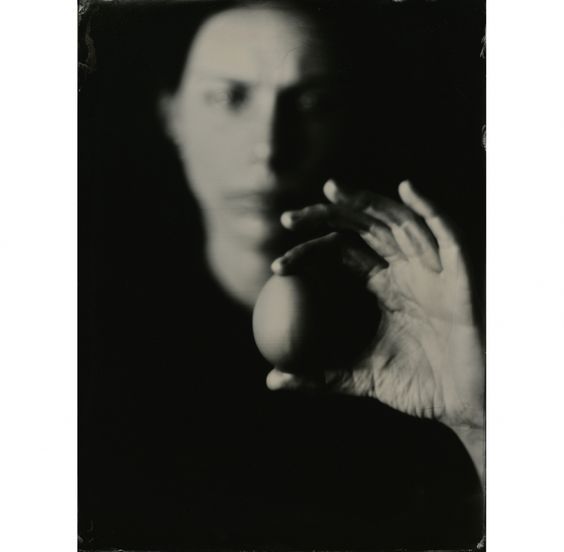
The above images causes me to get a lump in my throat. I don’t know how else to talk about them except to say: thank you Traci and Ashley, I may never be an important photographer but your images changed my life to a fashion and degree that very few things have or likely ever will. I am—for better or worse—a photographer because of your work.
Made in collaboration — expansive, encompassing, incubating, to say the very least of it — with Traci Matlock.

 Acetylene Eyes