
Source unknown – Title unknown (201X)
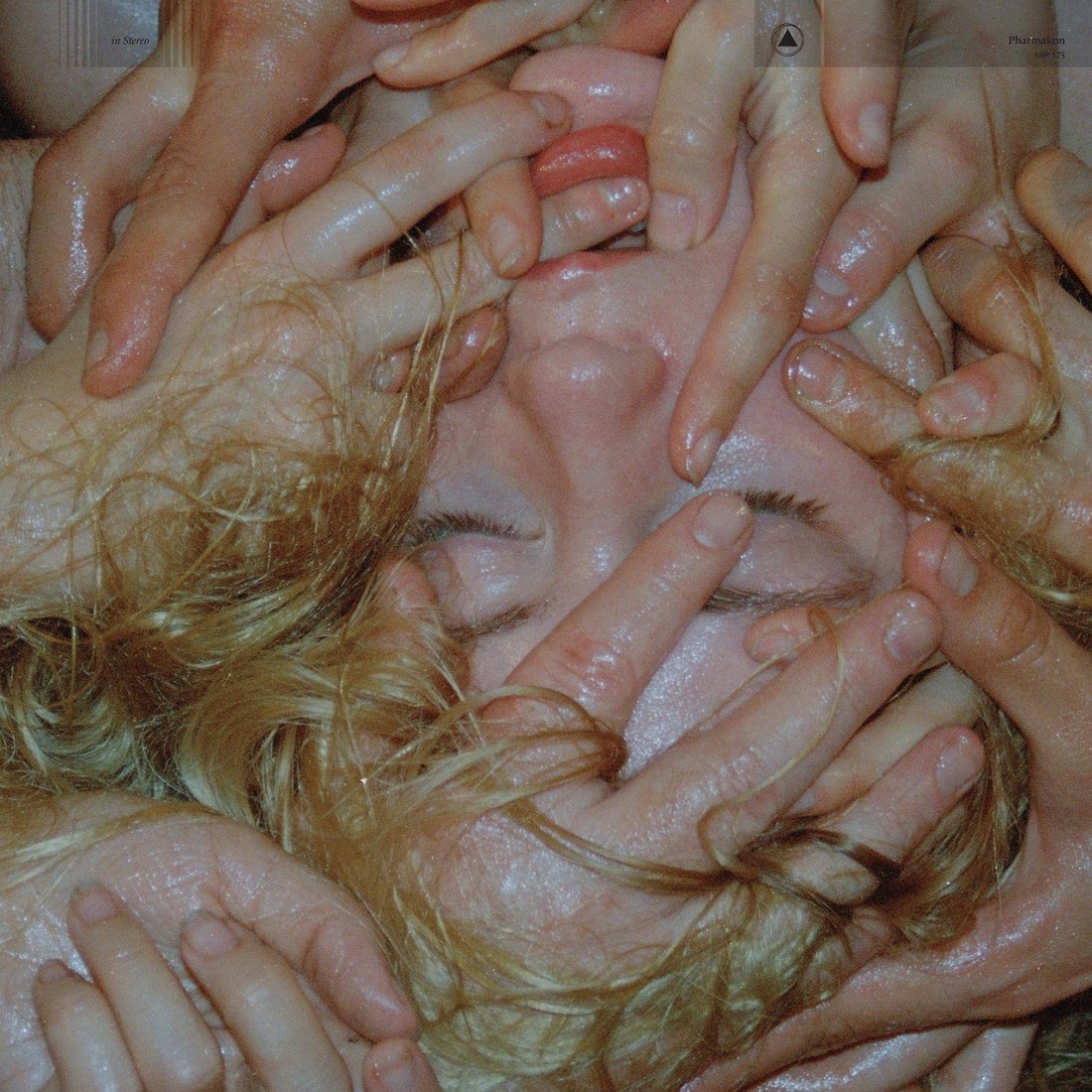
This is almost certainly an homage to Nobuyoshi Araki’s 1993 Erotos series. (Araki is someone about whom I have entirely mixed feelings; yet even I can admit the series is something special.)
I’ve thought about just leaving it there but it occurs to me that there’s a parallel between this and Greta Gerwig’s directoral debut Lady Bird–which is also something truly special.
If you don’t really follow cinema, Gerwig has made a name for herself as both an astute and incisive actress as well as a startlingly original writer–she co-wrote and played the titular roles in Noah Baumbach’s Frances HA and Mistress America.
Anyway, Lady Bird is every bit as good as you’ve heard. Yes, it’s gallingly lily white. And as much as diversity and inclusion are of crucial importance, Lady Bird aces the Bechdel test in a way that few other things have had the audacity to even consider.
In fairness, I should also confess my own bias: as someone who went to a parochial school (and had much the same relationship to it that Lady Bird does), who felt stultified in my mid-Atlantic, white bread hometown; further, as someone who managed to escape that town by gaining admission to a prestigious liberal arts program, the story was unnervingly resonant for me. (Also, it was like a peak at what my life might have been like if I’d grown up female–as a trans girl, it made me feel seen in a way that I’ve never experienced in my life, if that makes sense.)
Anyway, minimal spoilers ahead: there are three scenes in Lady Bird that run parallel to this image: In the first, Lady Bird (portrayed with an utterly incandescent lack of self-consciousness and vulnerability by the staggeringly talented Saoirse Ronan) is laying on the floor at her prestigious catholic school next to her best friend. They are both on their backs with their legs propped up against the wall snacking on pilfered communion wafers.
The viewer joins the scene en media res and while it’s clear they are talking about using the faucet in the tub to masturbate–their candor is intriguing. Lady Bird is trying to seem cool and worldly, but it’s her friend that actually centers the conversation in the politics of self-pleasure not as an exercise in social conformity but as a means of enjoyment. There is nothing salacious or even remotely titillating about the scene. It’s solely focused on the way teenage girls talk about their experiences of being embodied with each other employing a guileless openness and trust.
But like everything in the movie, the jokes are polysemous–frequently doubling as self-deprecating asides directed to the audience, who is given the advantage of something closer to third person author omniscences w/r/t the narrative.
During a later scene, the viewer is shown the faucet of a tub. A bare leg enters the frame and braces against the pink tile beside the faucet. It’s clear that it’s Lady Bird’s leg due to the pastel polish on her toenails. It doesn’t hold on the shot. It’s presented matter-of-factly, devoid of any lecherous voyuerism–however, in the context of it’s function as a call back it’s honesty is thorougly disarming.
In a scene approaching the end, Lady Bird is called into the Mother Superior’s office–ostensibly for disciplinary proceedings. The nun, however, is far more interested in the psychology than the behavior. She tells Lady Bird that she was impressed with the way she describes Sacramento in such vibrant detail in her college admission essay that she seems as if she rather loves the place. (An on-going joke in the movie is how she considers the city the mid-west of California.) So it’s surprising for both her and the viewer to hear this interpretation.
Lady Bird realizes her typical brusqueness on the subject will not be well met, so she–brilliantly–counters with: I guess I just pay attention to things.
Without missing a beat the nun responds: some might say that loving something and paying attention are, in fact, the same thing.
I keep returning to what the nun said: paying attention and loving are two manifestation for the same underlying truth.
But back to the image–because no matter all the extraneous stuff I routinely throw at you to try to keep your attention–the reason you read this is because it’s supposed to relate to the work showcased.
I won’t argue that this is a good image. At the very least: it isn’t an image that’s easy to immediately digest. You look at it. Think wait. Did I see that right? Look again. Yes, it’s what I thought it was the first time. Wait, are you sure? Look again.
It occurs to me that the image above is erotic only in so far as it invites sustained attention–even if it’s only decoding how things are oriented in the frame. And to me that suggests a potentially worthwhile framework for disguishing pornography, from erotica, from art. Porngraphy is a specific text in framed in a more generalized context–heteronormative patriarchal expectations with regard to libido, lust and physical intimacy. Erotica is less focused on the specificity of the given text and more concerned with the expansive context. Whereas, art, is–in some ways–entirely focused on the marginalia expounded and clarifying the relationship and interpenetration between text and context.
There’s a saying that the mind is the body’s largest erogenous zone. The only way to stimulate the mind is by paying attention–by loving.


 Acetylene Eyes